How a tarot deck is structured
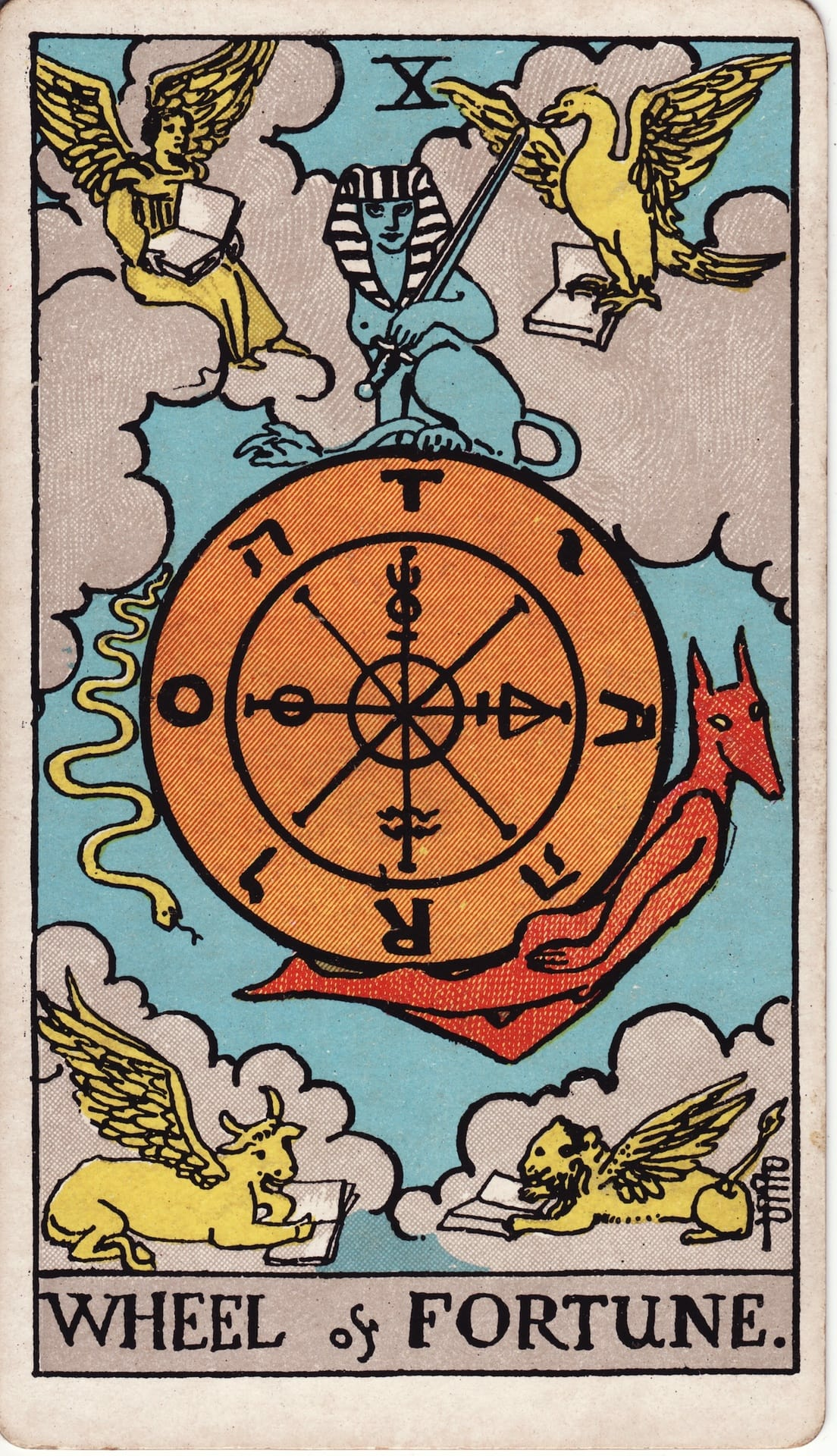
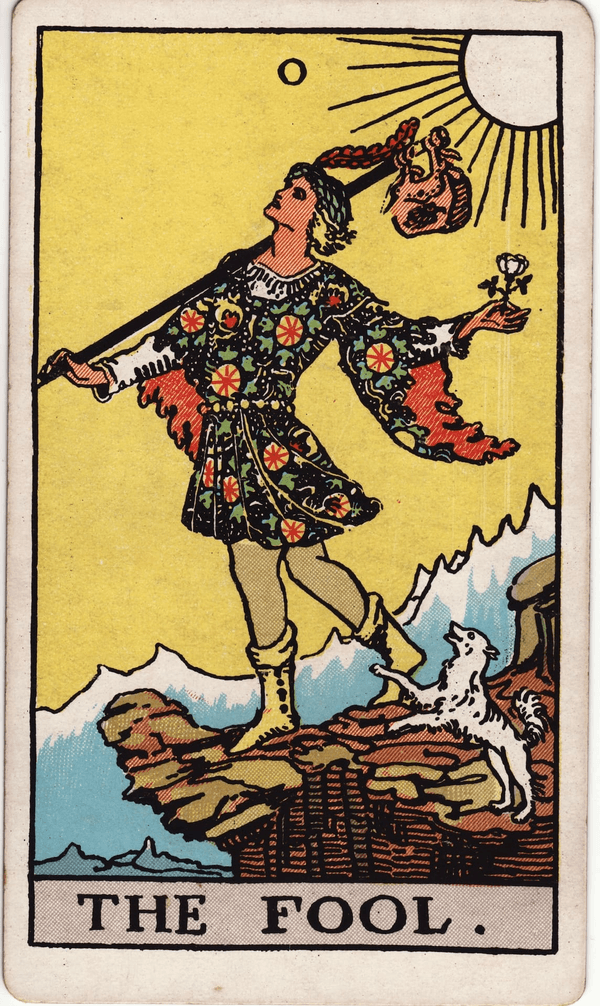
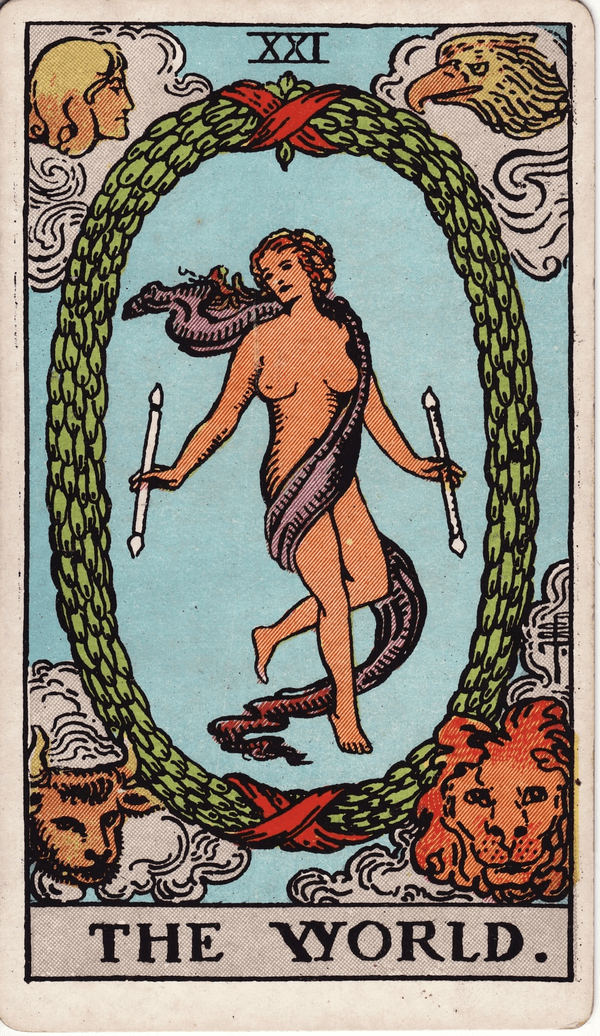
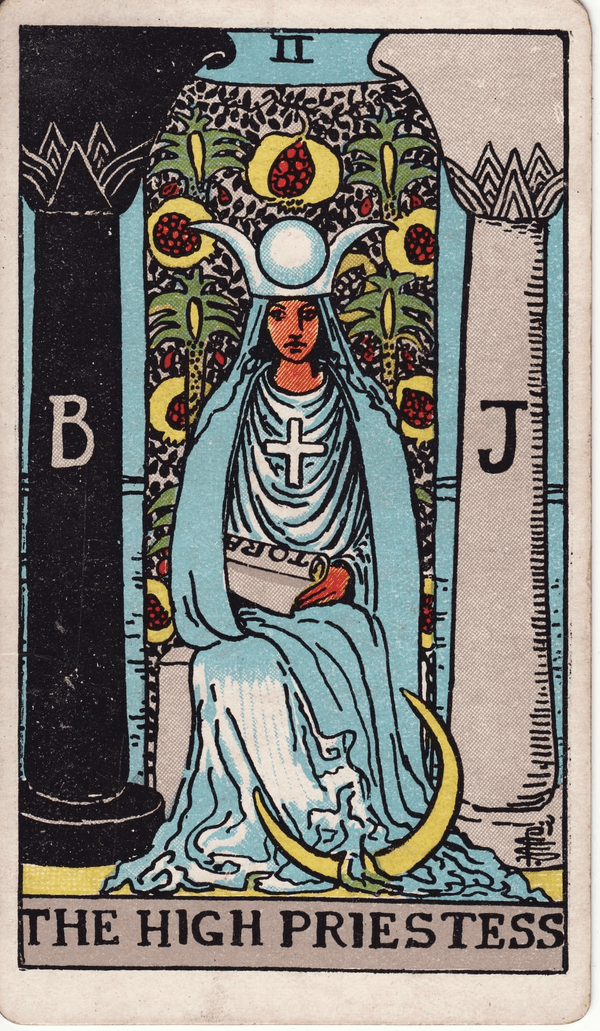
A traditional tarot deck contains 78 cards in two groups. The 22 Major Arcana cards — The Fool through The World — carry the deck's big themes: identity, transformation, choice, disruption, healing, and completion. The 56 Minor Arcana cards fill in the practical and emotional texture of everyday life across four suits of fourteen cards each.
For Ask Sian, tarot is not fixed prediction. It is a symbolic language for reflection, pattern recognition, and decision support — which is why every reading starts with your question, not with a card in isolation.
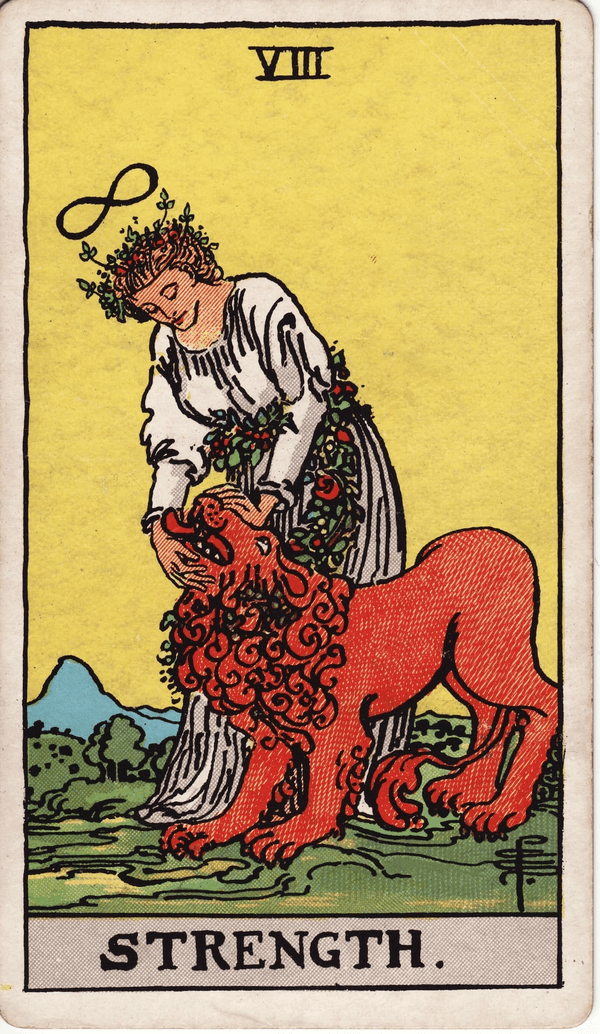
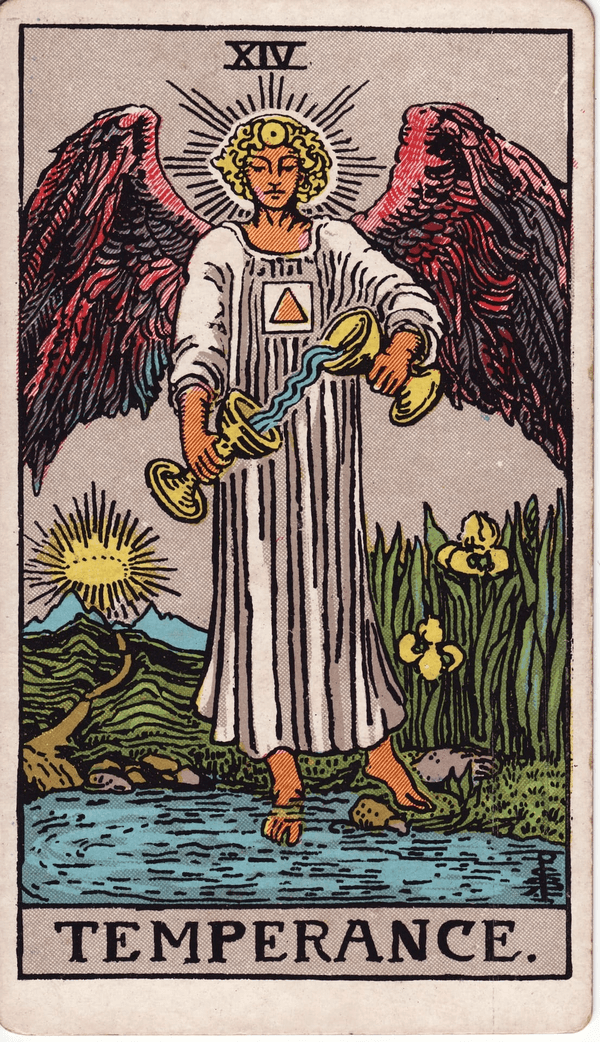
The Major Arcana
The Major Arcana traces a symbolic journey from The Fool's first step to The World's completion. When several of these cards appear together, the reading usually points to a significant inner or outer turning point.
The four suits of the Minor Arcana
Each suit runs from Ace to Ten, then through four court cards — Page, Knight, Queen, and King. Every card below links to its full meaning page with upright, reversed, and contextual interpretations.
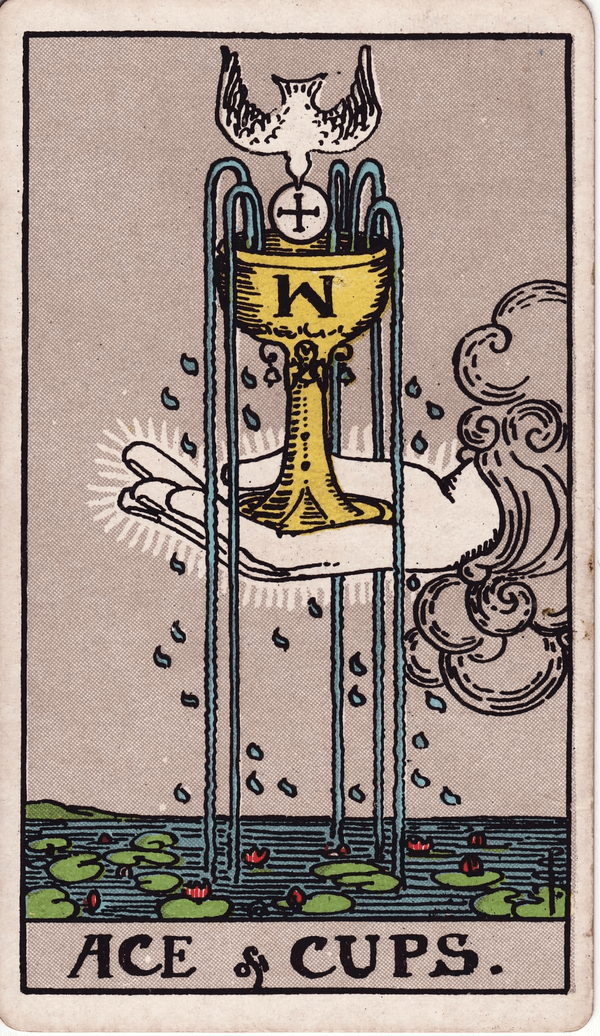
Cups
Emotions, relationships, intuition, belonging, and healing.
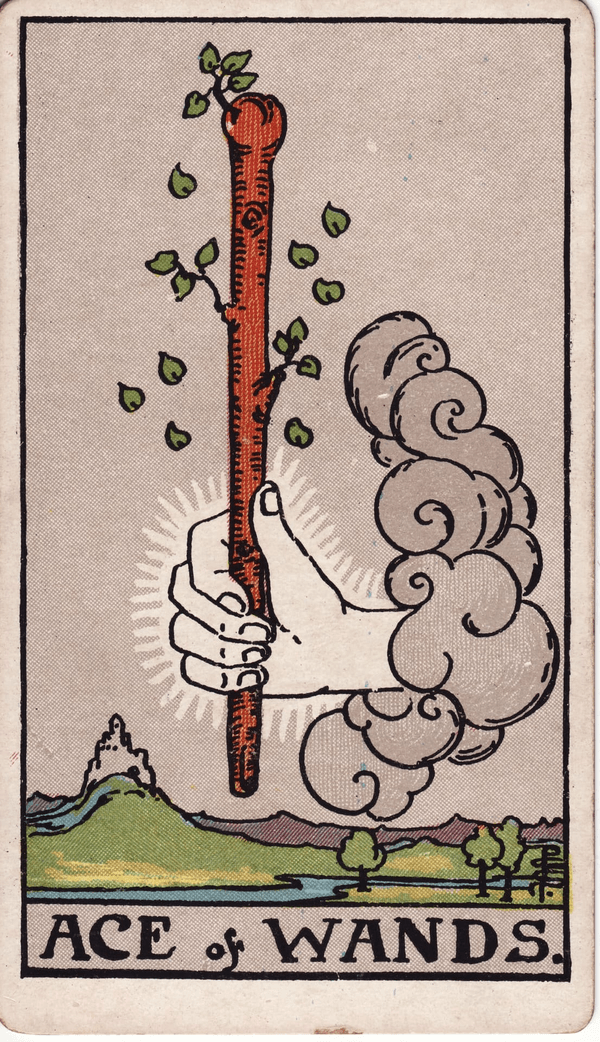
Wands
Energy, creativity, ambition, desire, and momentum.
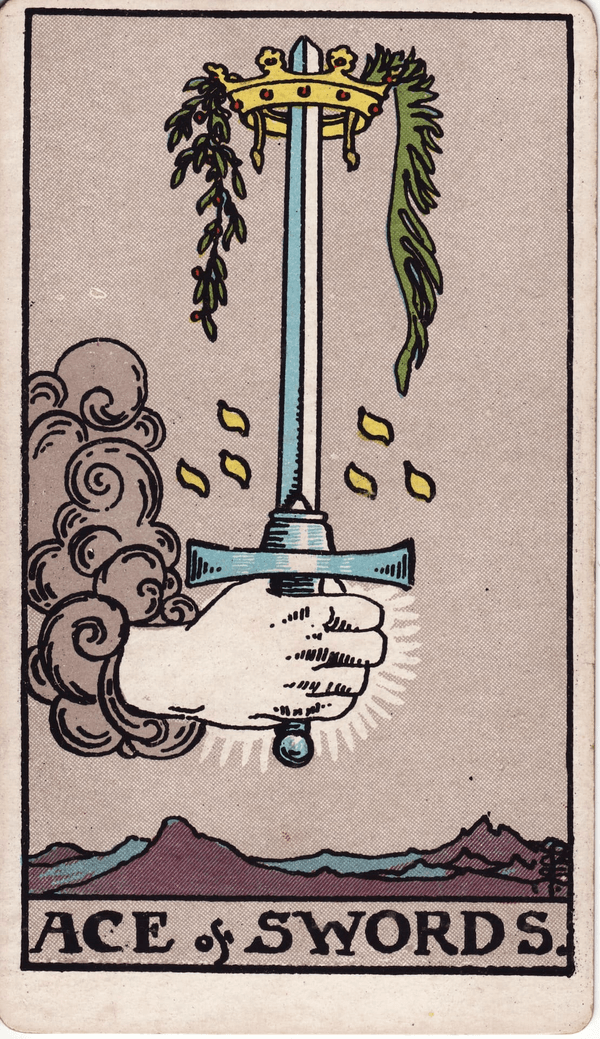
Swords
Thoughts, communication, conflict, truth, and decisions.
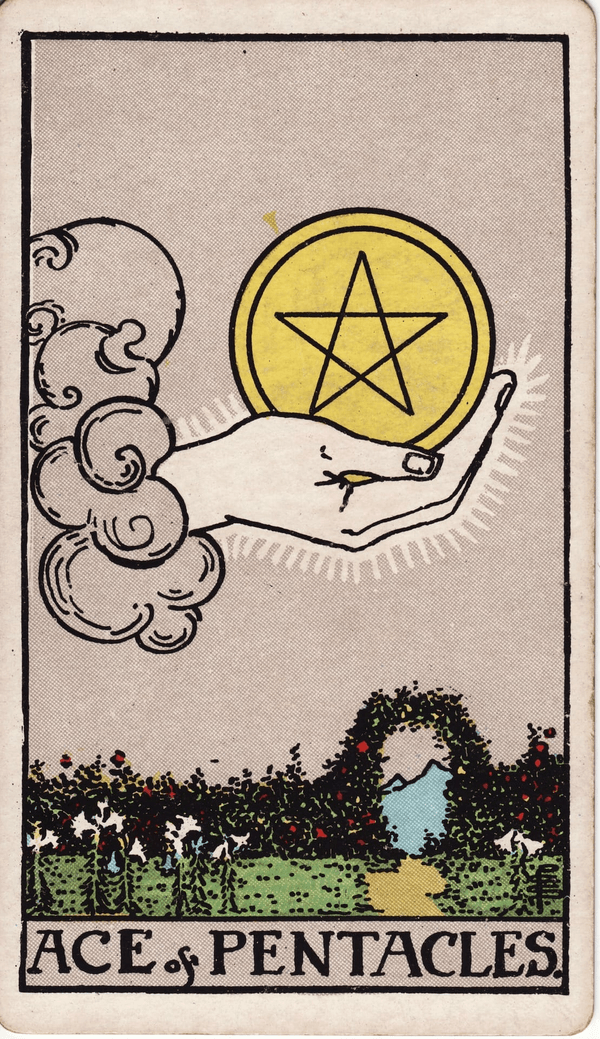
Pentacles
Work, money, health, stability, home, and long-term value.
Understanding reversed cards
Reversed cards are not automatically negative. They can show blocked energy, inner work, delays, avoidance, or a theme being experienced privately rather than outwardly.
Context matters more than the direction of the card. The Tower reversed in a career question reads very differently from the same card in a question about letting go.
How Ask Sian interprets cards
Most guides explain what a card means in isolation. Ask Sian links each card back to your question:
- Start with your question or situation.
- Read the traditional symbolism of each card drawn.
- Identify patterns across the spread.
- Connect those patterns back to your question.
- Offer practical guidance and reflection.
Choosing a tarot spread
The spread shapes what a reading can tell you. Start simple; add positions as the question grows more complex.
Frequently asked questions
How many cards are in a tarot deck?
A traditional tarot deck contains 78 cards: 22 Major Arcana cards covering life's larger themes, and 56 Minor Arcana cards across four suits — Cups, Wands, Swords, and Pentacles — covering everyday emotional and practical life.
What do reversed tarot cards mean?
Reversed cards are not automatically negative. They often point to blocked or inward-turned energy, delays, resistance, or a theme being experienced privately rather than outwardly. The question you bring to the reading matters more than the card's direction alone.
Which tarot spread should I choose?
A single card suits a focused daily insight. A three-card spread works well for past–present–future or situation–action–direction questions. Larger spreads help with complex situations involving obstacles, outside influences, and advice.
Do I need to know card meanings before getting a reading?
No. Ask Sian interprets each card in the context of your question, so the reading explains the relevant symbolism as it goes. Learning the cards simply deepens what you take from each reading.
Ready to apply the cards to your own question?
Card meanings are the starting point. Ask Sian connects the symbolism back to your situation.
Start a contextual reading